Fall Boiler Maintenance Checklist for Central New York Homes
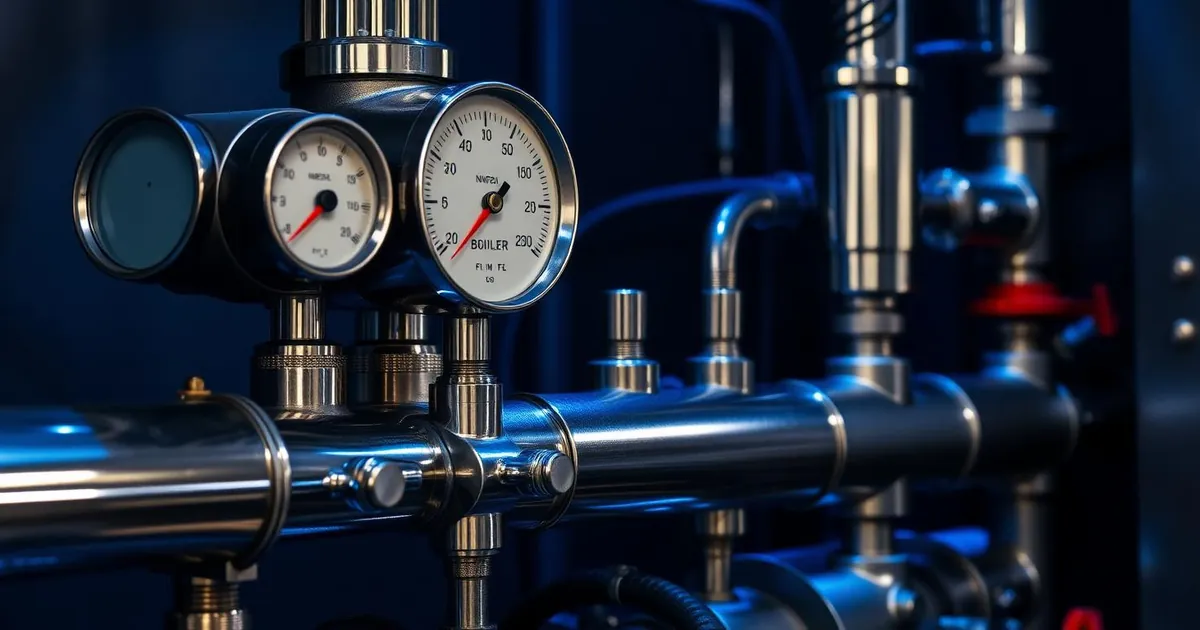
The short answer
A fall boiler tune-up means checking system pressure, the expansion tank, the relief valve, the low water cutoff, the circulator pumps, venting and combustion before heating season starts. Homeowners can handle the visual checks. Combustion testing, burner cleaning and safety control testing should be done by a qualified technician once a year.
Heating season in Chenango and Madison County arrives fast. One week you are mowing the lawn and the next the overnight low is in the twenties. A hot water boiler that sat idle all summer is being asked to run hard with almost no warning.
Most of the no heat calls we get in October and November could have been avoided with a little attention in September. Below is the same checklist we work through on a fall boiler visit, split into what you can safely check yourself and what should be left to a professional.
In this article
Why Fall Is the Right Time for Boiler Service
Scheduling boiler maintenance before the heating season has three big advantages. First, if a part needs replacing, there is time to order it without leaving your family in a cold house. Second, technicians have more open appointments in September than in January. Third, a clean and properly adjusted boiler burns less fuel all winter.
It also matters for safety. A boiler that has been idle for months can have blocked vents, a stuck relief valve or a failing low water cutoff. Those are exactly the problems you want found before the burner starts cycling every few minutes.
What You Can Check Yourself
These checks need no tools and take about twenty minutes. Do them with the boiler cool.
- Look at the pressure gauge. Most residential hot water systems sit around 12 to 15 psi when cold. A reading near zero or climbing toward 30 psi needs attention.
- Check for water on the floor. Look under the boiler, around the circulator pumps and at the end of the relief valve discharge pipe.
- Look for rust streaks or white crust on fittings and valves. That usually means a slow leak.
- Clear the area around the boiler. Boxes, paint cans and laundry piled near a burner are a fire risk and block the air the boiler needs for combustion.
- Walk outside and look at the vent or chimney. Check for bird nests, leaves, wasp nests and snow drift areas around sidewall vents.
- Test your carbon monoxide detectors and replace batteries. Every home with a fuel burning appliance needs working CO alarms on each level.
- Bleed air from radiators or baseboard if some rooms heated poorly last winter.
What a Professional Boiler Tune-Up Includes
A proper annual service goes well beyond a visual check. On our boiler maintenance visits we typically work through the following:
Combustion and burner
- Clean the burner and inspect the flame for proper color and shape.
- Inspect the heat exchanger for soot, scale or corrosion.
- Check and clean the ignition components and flame sensor.
- Test combustion and draft so the boiler burns efficiently and vents safely.
Safety controls
- Test the low water cutoff so the burner shuts down if the water level drops.
- Confirm the pressure relief valve opens and reseats correctly.
- Check the high limit control and operating temperatures.
Water side of the system
- Check the expansion tank air charge and replace a waterlogged tank.
- Inspect circulator pumps for noise, heat and leaks at the flanges.
- Confirm the fill valve and backflow preventer are working.
- Look over zone valves and the thermostat wiring.
When we finish, you get a plain explanation of what we found and anything we recommend fixing now versus keeping an eye on.
The Expansion Tank: The Part Most Often Overlooked
Water expands as it heats. The expansion tank gives that extra volume somewhere to go. When the air charge inside the tank is lost, system pressure spikes every time the boiler fires, and the relief valve starts to drip or discharge.
A quick sign of trouble is a tank that feels hot and heavy all the way to the top, or a relief valve with a wet discharge pipe. Replacing a failed expansion tank is usually a straightforward repair, and it protects the boiler, the relief valve and every fitting in the system from repeated pressure spikes.
Boiler Warning Signs That Need a Call Right Away
Some symptoms should not wait for a scheduled tune-up. Call a professional promptly if you notice any of these:
- A carbon monoxide alarm sounding, headaches or nausea that improve when you leave the house. Get everyone outside first, then call 911 or your fuel supplier.
- Soot around the burner door or a smell of exhaust in the basement.
- The relief valve discharging water.
- Banging, kettling or loud gurgling when the boiler runs.
- Pressure that keeps dropping and needs to be refilled.
- Radiators or baseboard that stay cold while the boiler is running.
For more on carbon monoxide safety, the U.S. Environmental Protection Agency explains how carbon monoxide affects indoor air and how to reduce the risk.
Tie Boiler Care Into Your Winter Plumbing Prep
Your boiler and your plumbing are connected in more ways than one. If the heat fails on a January night, pipes in exterior walls and crawl spaces can freeze within hours. A fall tune-up is a good time to also think about the rest of the house.
Our guide on how to prevent frozen pipes covers the plumbing side, and our summerize and winterize service handles outdoor faucets, seasonal homes and exposed lines.
If you want these checks done every year without having to remember, ask about our service contracts. Call (607) 373-6421 to book a fall visit anywhere in Sherburne, Hamilton, Earlville and nearby towns.
Frequently Asked Questions
How often should a boiler be serviced?
Once a year is the standard recommendation for residential boilers. Fall is the best time because any repairs can be completed before you depend on the heat.
What pressure should my boiler gauge read?
Most residential hot water boilers read about 12 to 15 psi when the system is cold and a little higher when hot. Readings near zero or close to 30 psi mean something needs attention.
Why is my boiler relief valve dripping?
The most common causes are a waterlogged expansion tank, a fill valve letting in too much pressure, or a worn relief valve. Never plug a relief valve. Have the system checked so the cause is fixed.
Do you service boilers in Hamilton and Earlville?
Yes. EZ-CO Plumbing provides boiler maintenance and repair for homes in Sherburne, Hamilton, Earlville and the surrounding towns in Chenango and Madison County.
Mike Ezzo
Owner and Lead Plumber, EZ-CO Plumbing
Mike and the EZ-CO team handle residential plumbing, well systems, water heaters and heating across Sherburne, Hamilton, Earlville and the surrounding towns in Chenango and Madison County. The guidance in this article comes from the jobs we do every week. Read what customers say on our reviews page.
Related services
Keep Reading
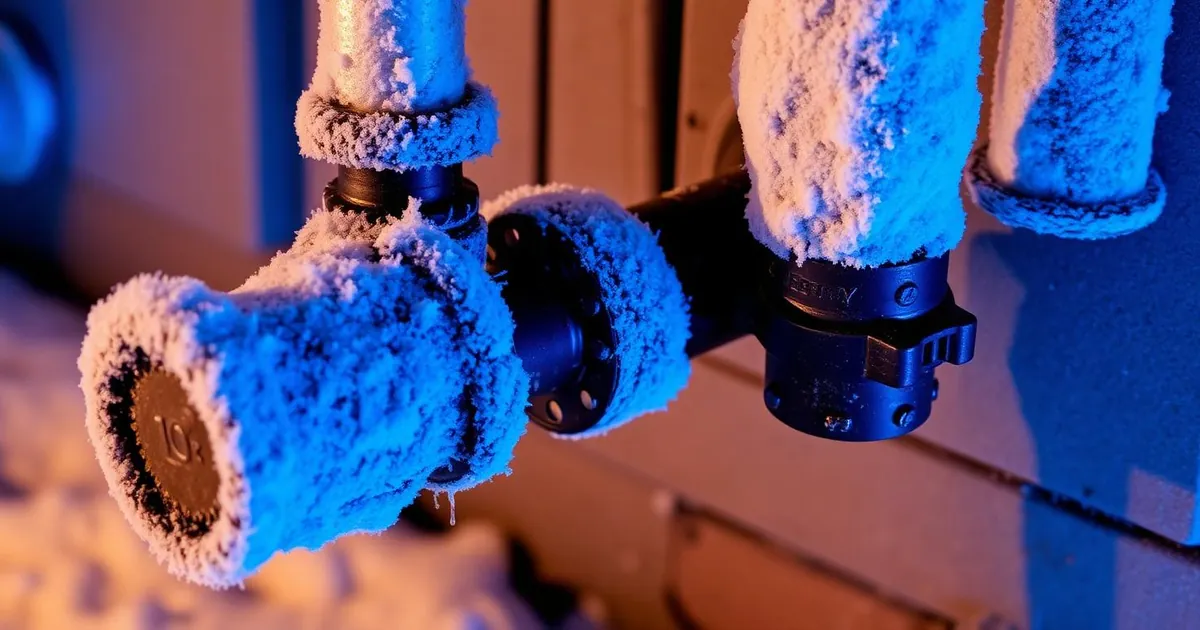
How to Prevent Frozen Pipes in Chenango and Madison County Homes
A frozen pipe can split overnight and flood a basement by morning. Here is where pipes usually freeze in our older homes and the steps to take this fall before the first deep cold.
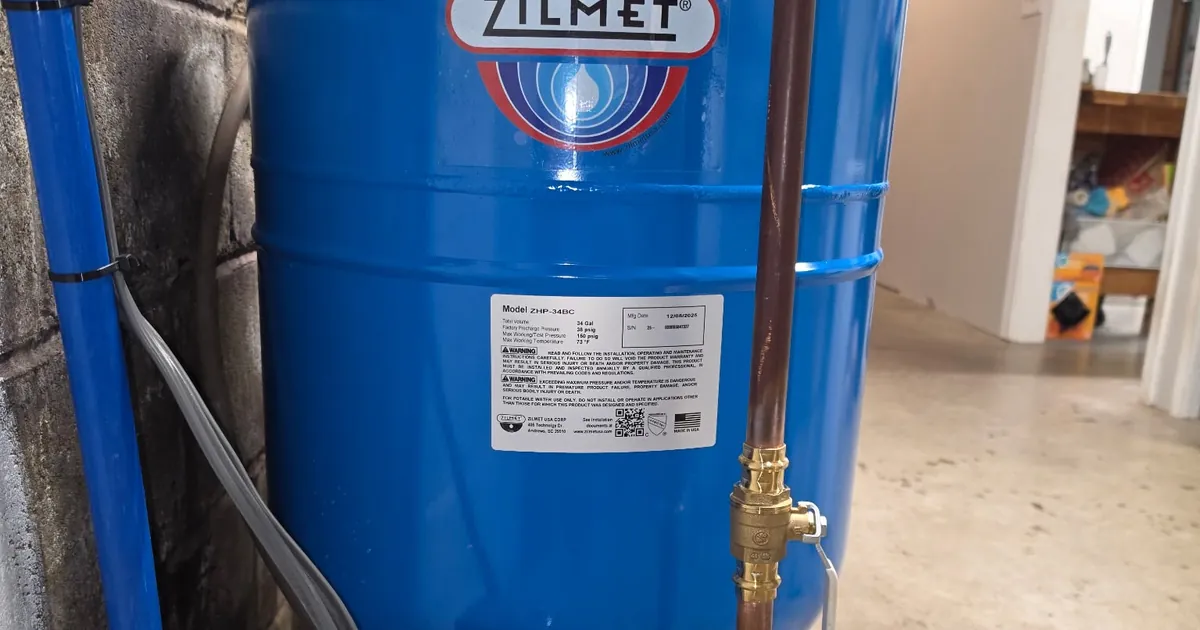
Well Pressure Tank Replacement in Central New York: Signs Your Tank Is Failing
A clicking pump and pressure that rises and falls at the faucet usually point to one part: the pressure tank. Here is how to spot a failing tank and what a proper replacement includes.
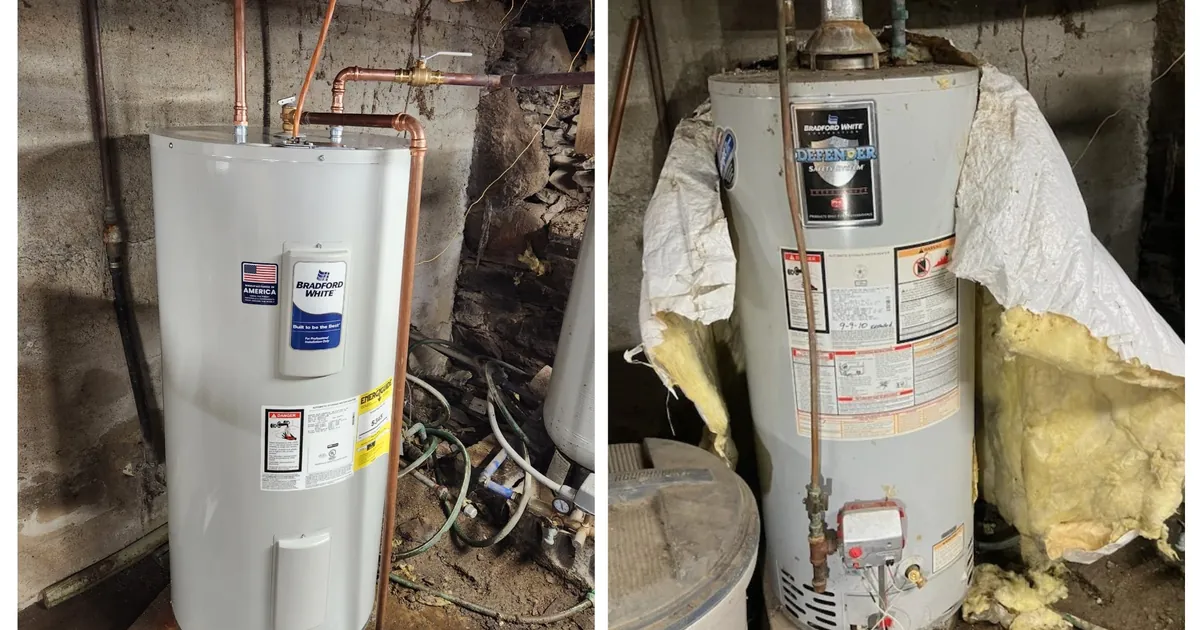
7 Signs Your Water Heater Needs Replacing Before a Central NY Winter
Water heaters work hardest in winter, when the water coming in is at its coldest. These seven signs tell you whether your tank will make it through the season or should be replaced now.