How to Prevent Frozen Pipes in Chenango and Madison County Homes
The short answer
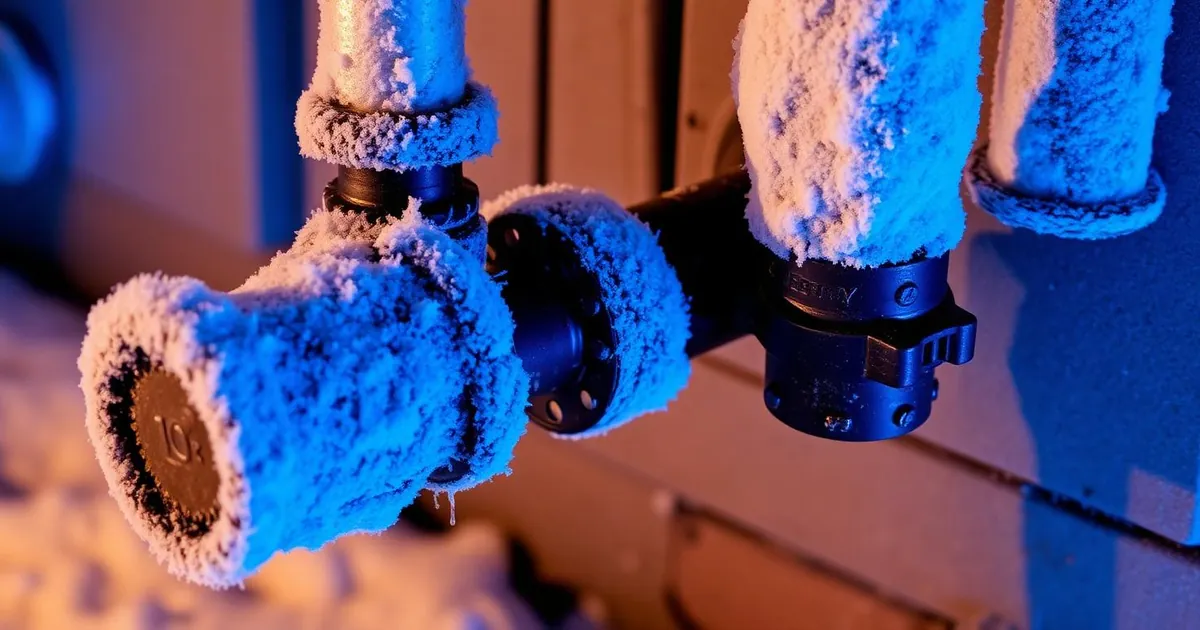
Pipes freeze where cold outside air reaches them: exterior walls, crawl spaces, unheated garages, rim joists and outdoor faucets. The best protection is done in the fall. Shut off and drain outside spigots, insulate exposed lines, seal drafts near plumbing, and keep the heat at 55 degrees or higher when you are away. If a pipe does freeze, shut off the water first and thaw it slowly with gentle heat.
Winter in Sherburne, Hamilton and Earlville means weeks of single digit nights and the occasional stretch below zero. Many of the homes we work in are older farmhouses and village homes with fieldstone foundations, uninsulated crawl spaces and plumbing that was added long after the house was built. That combination is exactly what leads to frozen and burst pipes.
September and October are the right months to get ahead of it. A few hours of prep now costs a small fraction of what a burst pipe and water damage cost in January.
In this article
Where Pipes Freeze in Central New York Homes
In our experience, frozen pipe calls come from the same handful of places again and again:
- Kitchen sink lines on exterior walls, especially when the sink sits under a window.
- Bathroom supply lines in additions that were built over a crawl space or on posts.
- Pipes running along the rim joist at the top of a basement wall, where cold air leaks in around the sill plate.
- Outdoor faucets that were left connected to a hose or never shut off inside.
- Crawl spaces and unheated garages, particularly lines feeding a laundry room or mudroom.
- Well lines where the water line enters the basement, and pump houses without heat.
The common thread is moving cold air. A pipe in still, cold air is far safer than one sitting in a draft from a gap in the foundation or a basement window left cracked.
Your Fall Frozen Pipe Prevention Checklist
Work through these steps before the first hard freeze, usually by mid October in our area:
- Disconnect garden hoses and store them. A hose left attached traps water in the spigot, even a frost free one.
- Shut off and drain outdoor faucets from the inside valve, then open the outside faucet so it can drain completely.
- Insulate exposed pipes in crawl spaces, basements and garages with foam pipe sleeves. Pay extra attention to the first few feet where lines come through an outside wall.
- Seal air leaks around sill plates, rim joists, dryer vents and pipe penetrations with foam or caulk.
- Close foundation vents and basement windows for the winter.
- Find your main water shutoff and make sure it turns. Tag it so everyone in the house knows where it is.
- Service your heating system so it does not quit on the coldest night. Our fall boiler maintenance checklist covers what to check.
What to Do During a Deep Cold Snap
When the forecast calls for a run of nights near or below zero, a few extra habits make a big difference:
- Open cabinet doors under sinks on exterior walls so warm room air can reach the pipes.
- Let a thin, steady trickle of water run from faucets on vulnerable lines. Moving water is much slower to freeze.
- Keep the thermostat at the same setting day and night instead of setting it back.
- Keep garage doors closed if there are water lines in the garage.
- Check the basement and crawl space for drafts you may have missed.
The American Red Cross also recommends keeping the heat no lower than 55 degrees if you will be away from home.
Camps, Seasonal Homes and Rentals
Seasonal properties are the highest risk of all because a problem can go unnoticed for weeks. A camp or cottage that will sit empty all winter should be fully winterized. That means shutting off the water, draining the lines, the water heater and the pressure tank, blowing out lines with air where needed, and adding plumbing antifreeze to traps and toilets.
If the home will stay heated but unoccupied, consider a low temperature alarm that texts you if the inside temperature drops. Our summerize and winterize service handles full shutdowns in the fall and safe start ups in the spring.
What to Do If a Pipe Freezes
If you turn on a faucet and get only a trickle or nothing at all during a cold stretch, assume a pipe is frozen. Act quickly and carefully:
- Shut off the main water valve right away. If the pipe has already split, this stops the flood the moment it thaws.
- Open the faucet the frozen line feeds so melting water has somewhere to go.
- Warm the pipe slowly with a hair dryer, a space heater kept at a safe distance, or warm towels. Start closest to the faucet and work back.
- Never use a torch or any open flame. It can start a fire inside the wall and can overheat the pipe.
- Once water flows, check along the line for drips or wet spots before turning the main back on fully.
If you cannot reach the frozen section, if you see a split, or if water is already coming through a ceiling, call a plumber. EZ-CO Plumbing offers 24/7 emergency service and can be reached any time at (607) 373-6421. Our emergency plumbing tips article covers other first steps that limit damage.
Long Term Fixes for Pipes That Freeze Every Year
If the same pipe freezes winter after winter, it is time for a permanent fix rather than another thaw. Options include rerouting the line to an interior wall, adding insulation and air sealing to the wall cavity, replacing old outdoor faucets with frost free models, or switching vulnerable runs to PEX, which tolerates freezing better than copper.
These changes often fit well with other projects. If you are planning a kitchen or bathroom update, our renovation plumbing work can move problem lines while the walls are open. Call us this fall and we will walk your home and point out the spots most likely to give you trouble.
Frequently Asked Questions
At what temperature do pipes freeze?
Water freezes at 32 degrees, but pipes inside a home usually freeze when outdoor temperatures stay in the low 20s or colder for several hours, especially where drafts reach the pipe. Pipes in exterior walls and crawl spaces are the most vulnerable.
Should I let my faucets drip in cold weather?
Yes, for faucets fed by pipes on exterior walls or in unheated spaces. A thin, steady trickle keeps water moving and relieves pressure, which makes the pipe far less likely to freeze or burst.
Are frost free outdoor faucets safe to leave on in winter?
They are much safer than standard spigots, but only if the hose is disconnected. A hose left attached traps water in the valve and can still split it.
Who can I call for a frozen pipe in Sherburne or Hamilton?
EZ-CO Plumbing provides 24/7 emergency service for frozen and burst pipes in Sherburne, Hamilton, Earlville and the surrounding towns. Call (607) 373-6421.
Mike Ezzo
Owner and Lead Plumber, EZ-CO Plumbing
Mike and the EZ-CO team handle residential plumbing, well systems, water heaters and heating across Sherburne, Hamilton, Earlville and the surrounding towns in Chenango and Madison County. The guidance in this article comes from the jobs we do every week. Read what customers say on our reviews page.
Related services
Keep Reading
Fall Boiler Maintenance Checklist for Central New York Homes
The first cold night of the season is the worst time to find out your boiler has a problem. This checklist covers what to look at now, while the weather is still mild.
Well Pressure Tank Replacement in Central New York: Signs Your Tank Is Failing
A clicking pump and pressure that rises and falls at the faucet usually point to one part: the pressure tank. Here is how to spot a failing tank and what a proper replacement includes.
Adding a Basement Bathroom: What the Plumbing Rough-In Involves
A basement bathroom adds real value, but the plumbing under the floor decides whether it works for decades or backs up in a year. Here is what the rough-in actually involves.