Low Water Pressure on a Private Well: Causes and Fixes for Central NY Homes
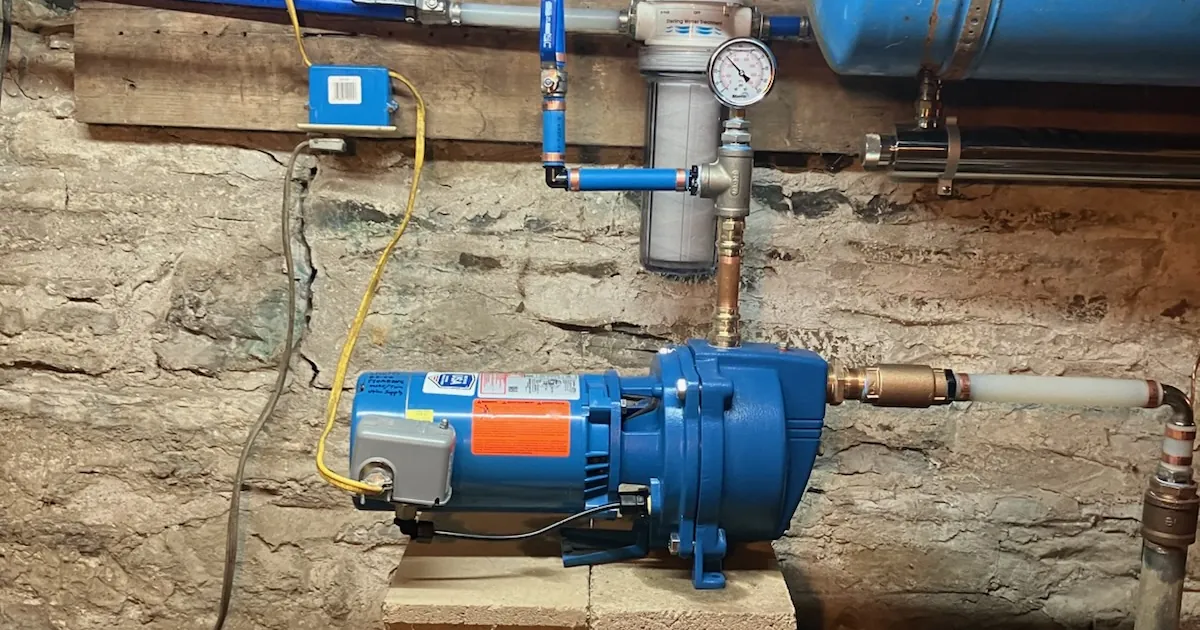
The short answer
Low water pressure on a private well is usually caused by a clogged sediment filter, low pressure switch settings, a waterlogged pressure tank, a clogged pressure switch port, a worn pump, a leak in the well line, or a falling water level during dry weather. Reading the pressure gauge near your tank while water runs tells you whether the problem is the whole system or just one fixture.
When you live on village water, pressure comes from the municipal system and is rarely your problem to solve. On a private well, your pump, tank and switch create all of the pressure in the house. When one piece is off, you feel it at every faucet.
Late summer is when we see a jump in low pressure calls around Sherburne, Hamilton and Earlville. Dry weather lowers water tables, filters that have not been changed all year finally clog, and pumps that have been struggling start to show it. Here is how to narrow down the cause.
In this article
Start Here: Read Your Pressure Gauge
Find the pressure gauge near your pressure tank. Open a faucet or two and watch the needle as the pump cycles.
- Normal: The needle falls to the cut-in pressure, the pump starts, and it climbs to the cut-out pressure, commonly 30/50 or 40/60 psi.
- Low all the time: The pump starts and runs but never reaches cut-out. This points to the pump, a leak or low water in the well.
- Fast swings: The needle drops and rises every few seconds. That is short cycling, usually from a waterlogged pressure tank.
- Normal at the tank but weak at a fixture: The problem is between the tank and that faucet, often a clogged filter or aerator.
That one observation rules out half the possible causes before anyone picks up a wrench.
The Most Common Causes of Low Well Pressure
1. A clogged sediment filter
This is the most common and cheapest fix. Sediment and iron load up whole house filter cartridges over time. If the pressure is good before the filter and poor after it, change the cartridge. On wells with a lot of sediment, cartridges may need changing every few months.
2. Pressure switch settings or a clogged switch
If the system cycles normally but between low numbers, such as 20 and 40 psi, the switch may simply need adjusting or upgrading to a 40/60 setting. The small tube that connects the switch to the water line can also clog with sediment, which makes the switch act erratically.
3. A waterlogged pressure tank
A tank that has lost its air charge causes rapid pressure swings and short cycling. Our guide on well pressure tank replacement covers how to test the air charge with a tire gauge.
4. A worn or failing pump
Pumps lose capacity as impellers wear. If your pump runs for a long time and cannot build pressure to the cut-out setting, the pump may be at the end of its life. Our article comparing jet pumps and submersible pumps explains the common failure points for each type.
5. A leak in the well line or drop pipe
A leak underground or down in the well lets water drain back and forces the pump to run more. Signs include the pump turning on when no water is being used, or pressure dropping overnight.
6. Low water level in the well
In a dry late summer, some shallow wells and springs cannot keep up with demand. You may notice pressure fading during long showers or laundry and recovering after a rest. Spreading out heavy water use helps. If it happens every year, the well or pump setup may need to be changed.
7. Old galvanized pipe inside the house
In older homes, galvanized steel pipe rusts from the inside and slowly narrows. If pressure is good at the tank but weak everywhere else, the house piping may be the bottleneck. Repiping with PEX or copper solves it permanently.
Safe Checks You Can Do Yourself
- Read the pressure gauge while water runs, as described above.
- Check and replace the sediment filter cartridge if it is dirty.
- Clean the aerators on low pressure faucets and the shower head. Iron and scale clog them quickly.
- Listen for the pump running when no water is in use.
- Check the air charge in the pressure tank with the pump off and the system drained.
When to Call a Plumber
Call a professional if the pump runs constantly, if you have no water at all, if the breaker keeps tripping, if pressure keeps dropping after you change the filter, or if you see water in the air valve of the pressure tank.
On a typical low pressure call we test the pump, check the switch and tank, look over the filters and piping, and give you a clear answer on the cause and the options. One of our customers told us their pressure after a repair was better than it had been since they bought the house, which is a result we hear often once the real cause is fixed. You can read more on our reviews page.
Keeping Well Pressure Strong Year Round
A little routine care prevents most low pressure problems:
- Change sediment filter cartridges on a schedule.
- Check the pressure tank air charge once a year.
- Treat iron and hardness so they do not clog the switch, filters and fixtures. See our guide to hard water and iron in well water.
- Have the system looked over annually. It is included in our service contracts.
EZ-CO Plumbing repairs and replaces well pumps, pressure tanks and switches throughout Sherburne, Hamilton, Earlville and the surrounding towns. Learn more about our well pump services or call (607) 373-6421.
Frequently Asked Questions
Why is my well water pressure suddenly low?
Sudden low pressure is most often a clogged sediment filter, a waterlogged pressure tank or a pump problem. Dry weather that lowers the well water level can also cause it. Reading the pressure gauge near your tank narrows down the cause quickly.
What should my well pressure switch be set to?
Most homes use a 30/50 or 40/60 psi switch. A 40/60 setting gives stronger pressure as long as your pump can reliably build to 60 psi.
Can I increase water pressure on my well?
Often yes. Changing a clogged filter, adjusting or upgrading the pressure switch, replacing a waterlogged tank or repairing a worn pump can all restore strong pressure. A constant pressure system is another option for some homes.
Do you fix low well pressure in Hamilton and Earlville?
Yes. EZ-CO Plumbing diagnoses and repairs low well water pressure for homes in Sherburne, Hamilton, Earlville and the surrounding towns in Chenango and Madison County.
Mike Ezzo
Owner and Lead Plumber, EZ-CO Plumbing
Mike and the EZ-CO team handle residential plumbing, well systems, water heaters and heating across Sherburne, Hamilton, Earlville and the surrounding towns in Chenango and Madison County. The guidance in this article comes from the jobs we do every week. Read what customers say on our reviews page.
Related services
Keep Reading
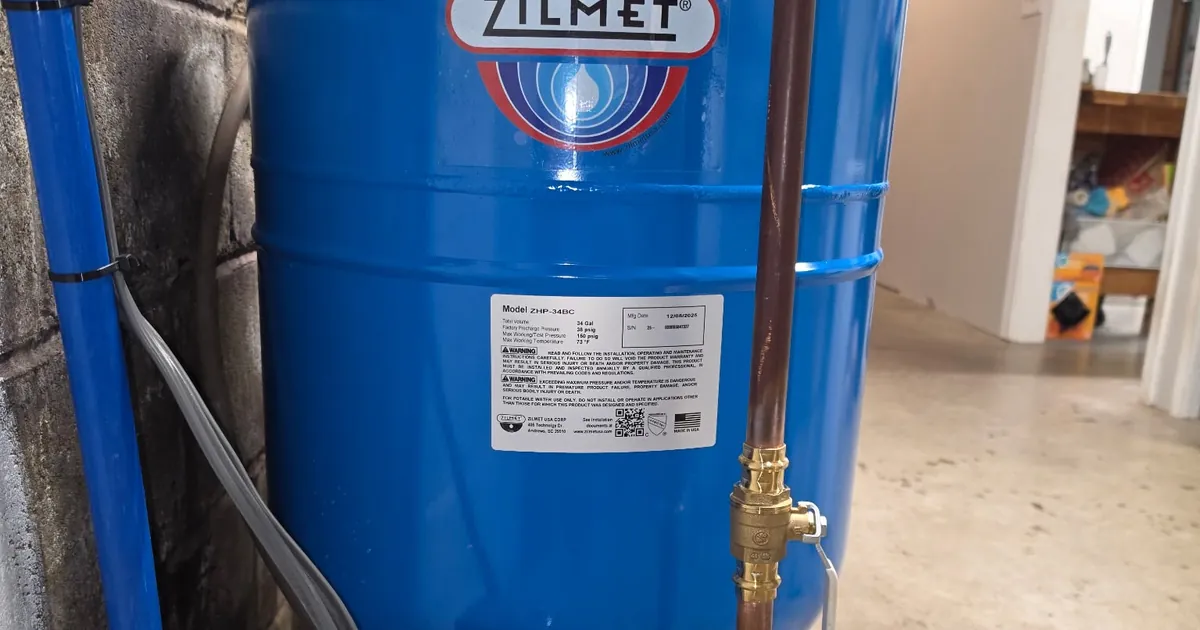
Well Pressure Tank Replacement in Central New York: Signs Your Tank Is Failing
A clicking pump and pressure that rises and falls at the faucet usually point to one part: the pressure tank. Here is how to spot a failing tank and what a proper replacement includes.
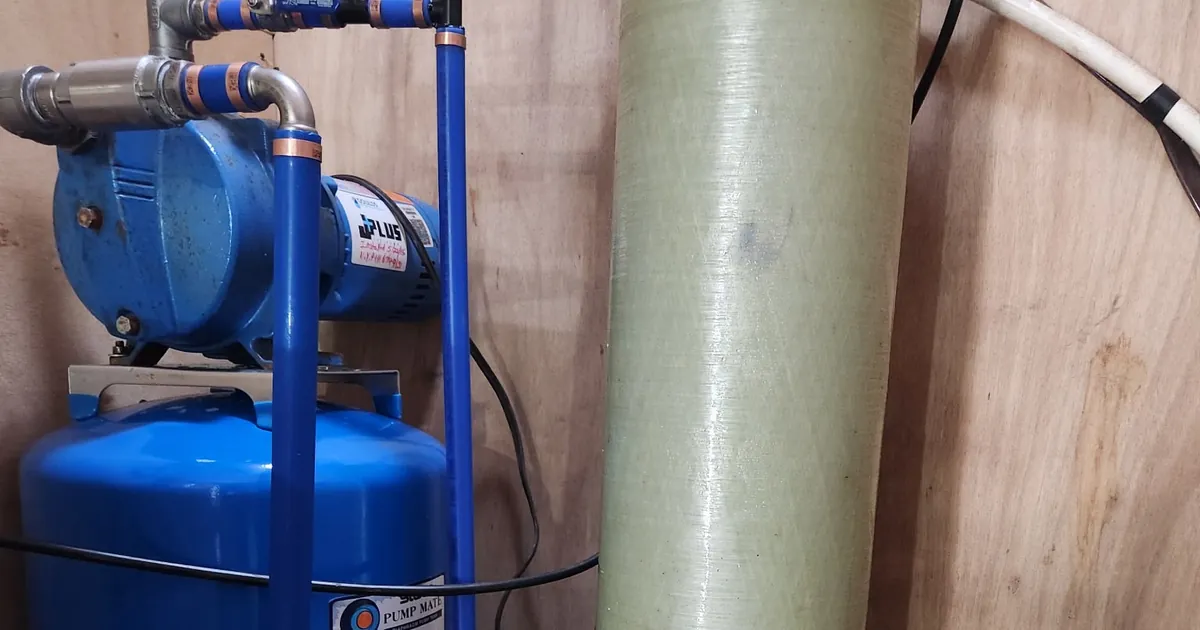
Jet Pump vs Submersible Well Pump: Which Fits Your Central NY Home?
Most homes on a private well in our area use one of two pump types. Knowing which one you have, and how it works, makes it much easier to diagnose problems and plan a replacement.
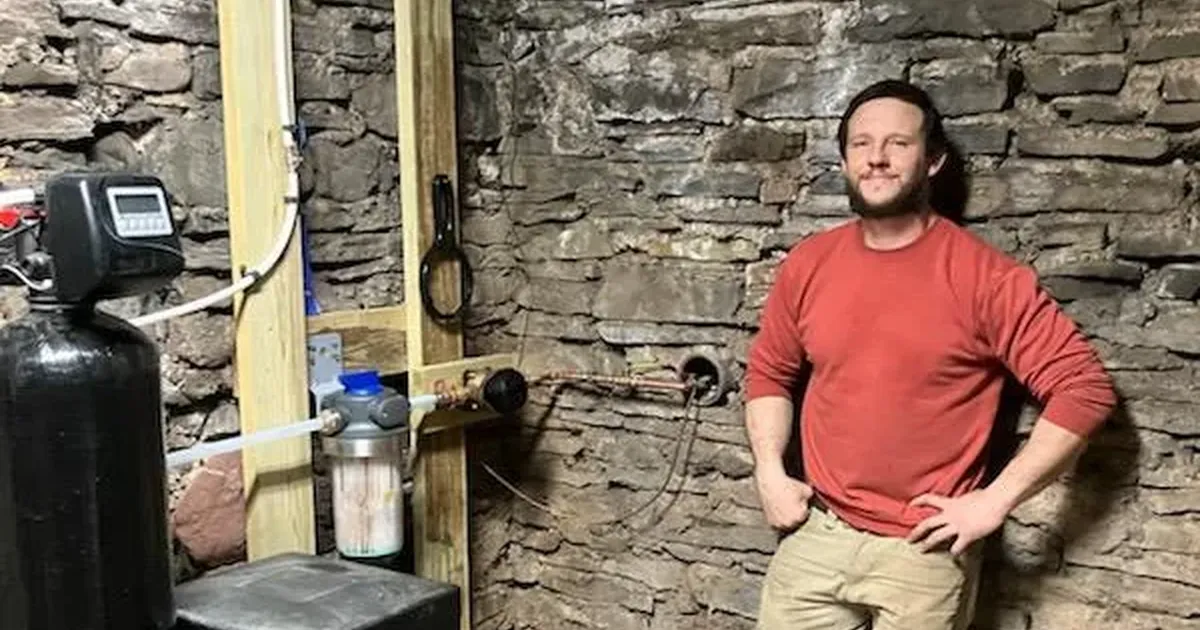
Hard Water and Iron in Well Water: Treatment Options for Central NY Homes
Orange stains in the tub, white crust on faucets and water that tastes like metal are common on private wells in our area. Here is how to test for the cause and choose the right treatment.