How to Maintain Your Water Heater: A Homeowner's Guide for Central NY
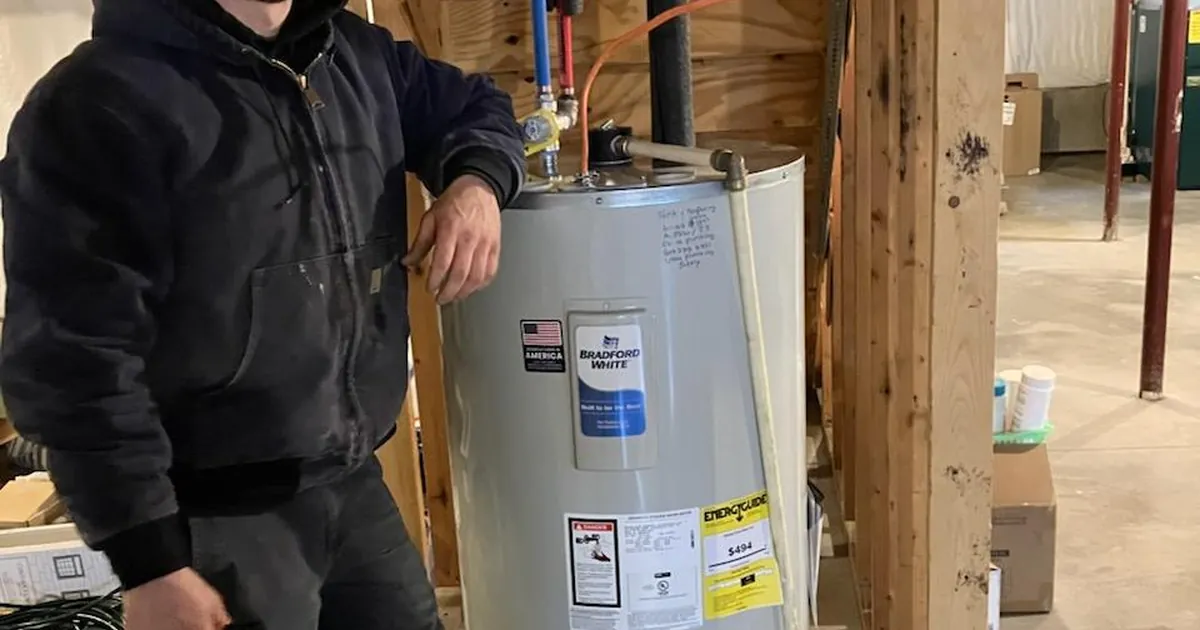
The short answer
Water heater maintenance comes down to four habits: set the temperature around 120 degrees, flush a few gallons from the tank once a year to remove sediment, test the relief valve yearly, and check the anode rod every two to three years. On hard or iron rich well water, flushing and anode checks matter even more.
Your water heater is one of the hardest working appliances in your home, and one of the easiest to forget about until the hot water runs out. A few minutes of attention each year can add years to its life and keep your energy bills in check.
Here is the same routine we recommend to customers across Sherburne, Hamilton and Earlville.
In this article
Set the Right Temperature
Around 120 degrees is the setting most households need. It is hot enough for showers and dishes, reduces the risk of scalding, and saves energy compared with higher settings.
If you have two heaters working together, keep both thermostats at the same setting so they share the load.
Flush Sediment Once a Year
Minerals settle to the bottom of the tank and form sediment. Sediment reduces efficiency, causes rumbling and popping noises, and overheats the bottom of the tank. Well water in our area tends to carry more sediment than village water, so this step matters.
- Turn off the power to an electric heater, or set a gas heater to pilot or vacation mode.
- Attach a garden hose to the drain valve and run it to a floor drain or outside.
- Open the drain valve and let several gallons run until the water looks clear.
- Close the drain valve, remove the hose and restore power or gas.
Check the Anode Rod
The anode rod is a metal rod inside the tank that corrodes so the tank does not. Every two to three years, have it inspected. If it is worn down to the core wire or heavily coated, replacing it is inexpensive protection for the whole tank. On softened water, anode rods tend to wear faster.
Test the Relief Valve and Look for Leaks
Once a year, lift the lever on the temperature and pressure relief valve briefly. Water should flow out the discharge pipe and stop when you let go. If it does not open, or keeps dripping afterwards, the valve should be replaced.
At the same time, look around the base, the fittings on top and the gas or electrical connections for any sign of moisture or corrosion. Small drips are early warnings.
Know When It Is Time to Replace
Most tank water heaters last about 8 to 12 years. If yours is in that range and showing rusty hot water, leaks at the base or loud rumbling, read our guide to the signs your water heater needs replacing. If your household simply needs more hot water, two water heaters piped in parallel may be worth considering.
Prefer to leave it to a pro? Annual water heater service is included in our service contracts, and we handle water heater repair and installation for all major brands. Call (607) 373-6421.
Frequently Asked Questions
How often should I flush my water heater?
Once a year for most homes. Homes on hard or sediment heavy well water may benefit from flushing more often.
What temperature should my water heater be set to?
About 120 degrees works well for most households. It balances comfort, safety and energy use.
How often should the anode rod be replaced?
Have it checked every two to three years and replace it when it is heavily worn. Softened water can wear anode rods faster.
Mike Ezzo
Owner and Lead Plumber, EZ-CO Plumbing
Mike and the EZ-CO team handle residential plumbing, well systems, water heaters and heating across Sherburne, Hamilton, Earlville and the surrounding towns in Chenango and Madison County. The guidance in this article comes from the jobs we do every week. Read what customers say on our reviews page.
Related services
Keep Reading
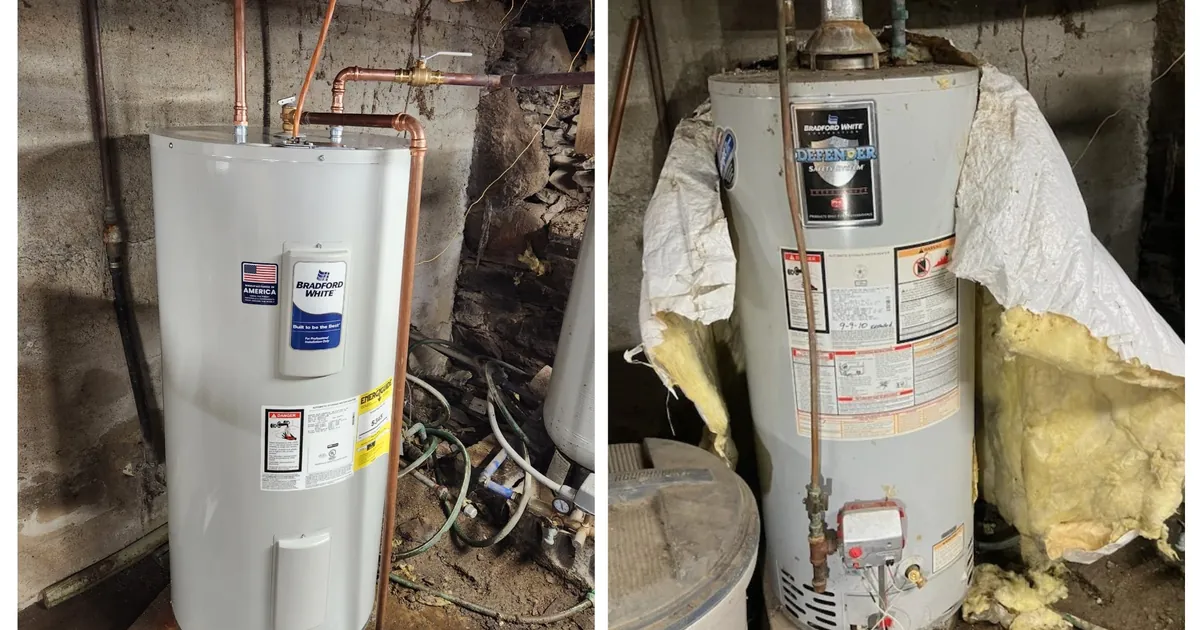
7 Signs Your Water Heater Needs Replacing Before a Central NY Winter
Water heaters work hardest in winter, when the water coming in is at its coldest. These seven signs tell you whether your tank will make it through the season or should be replaced now.
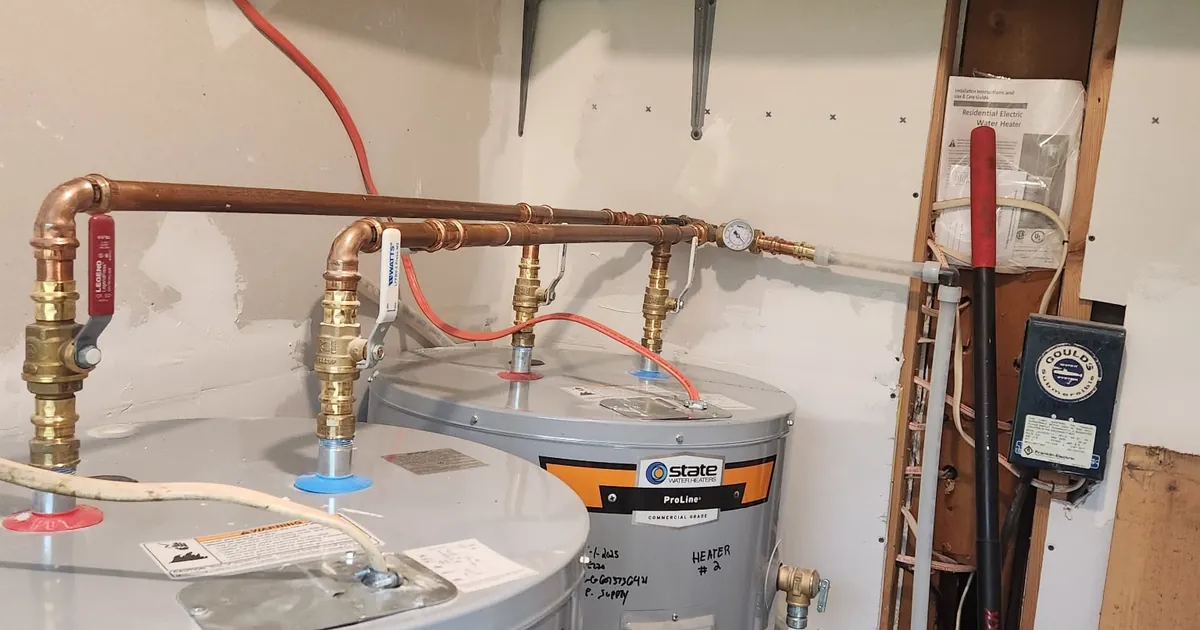
Two Water Heaters in Parallel: More Hot Water for Busy Central NY Homes
When one tank cannot keep up, a second heater piped in parallel can double your hot water and give you a backup if one unit fails. Here is how it works and when it makes sense.
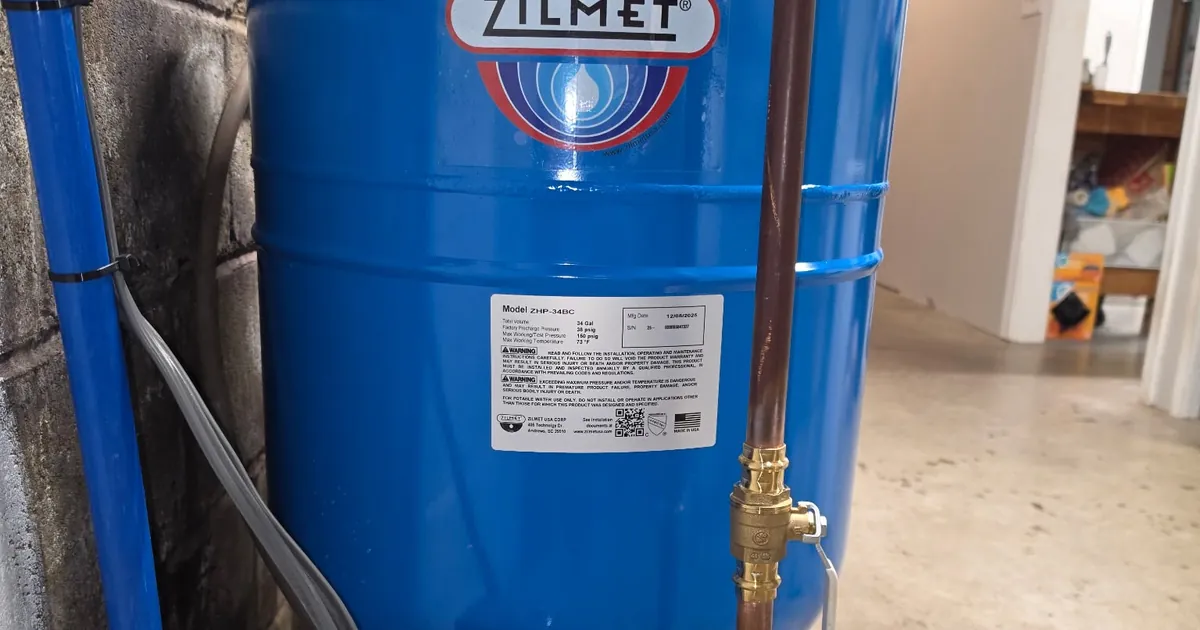
Well Pressure Tank Replacement in Central New York: Signs Your Tank Is Failing
A clicking pump and pressure that rises and falls at the faucet usually point to one part: the pressure tank. Here is how to spot a failing tank and what a proper replacement includes.